TRIM WITH A STRING

TRIM WITH A STRING

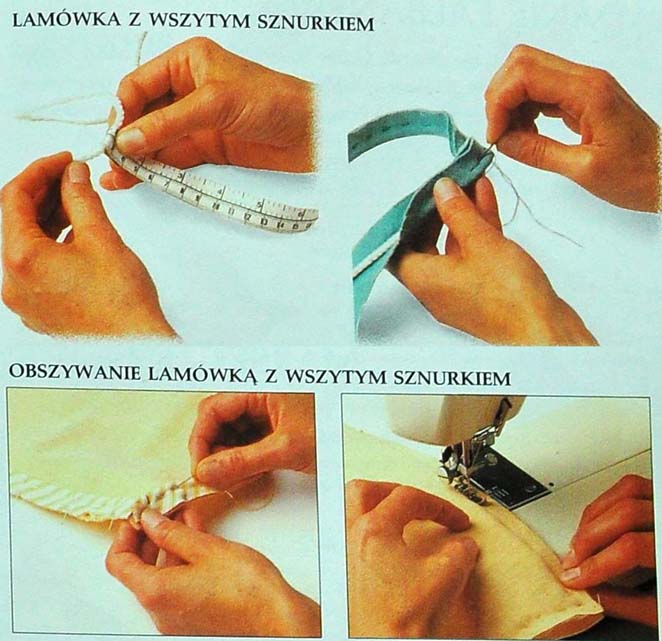
1.MEASURING TWINE – We select the appropriate string and steaming it, to prevent later shrinkage. We measure the necessary length of the string, adding 3 cm match. We cut the pleat of the necessary width and length from the bias.

2.Edging the string with a pleat – Układamy sznurek pośrodku …
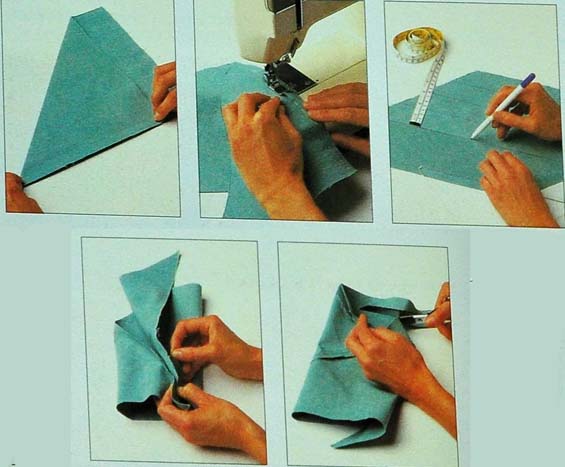
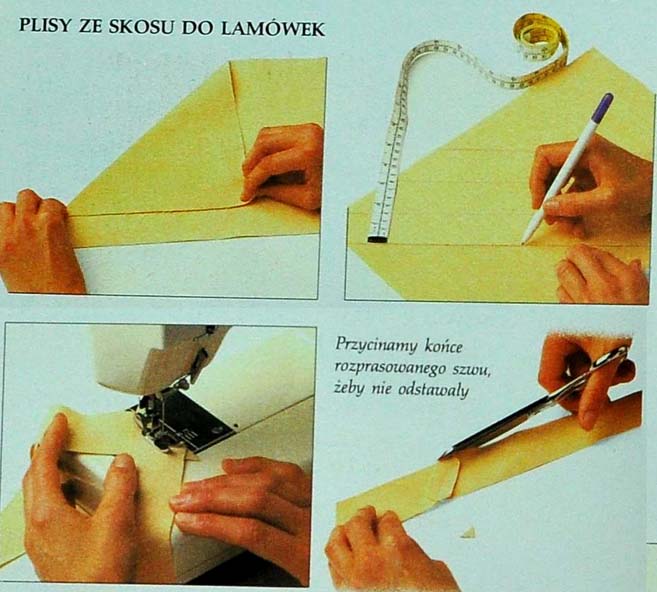
CUTTING SPIRAL PLEATS FROM SLIP

CUTTING SPIRAL PLEATS FROM SLIP

1. DETERMINING THE DIAGONAL – You can get a long pleat this way, from the slant in one piece. We take a rectangle of fabric with evenly trimmed edges and fold it diagonally like this, so that the short side touches the adjacent one. Przyprasowujemy i …

BINDING WITH PLEATS AND STRINGS

Home-sewn upholstery and curtains can be finished with decorative trimmings. They are irrelevant for the durability of the product, but when used ingeniously, they add flavor and individual character to the blinds, pillows or bed linen. Upholstery products can be trimmed with bias pleats or with strings. You can …

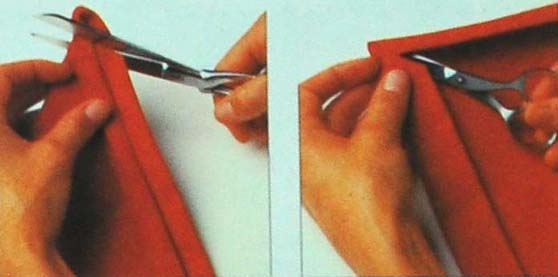
CUTTING THE FABRIC FROM THE CORNERS WITH TWO-TAPE HEADINGS

CUTTING THE FABRIC FROM THE CORNERS WITH TWO-TAPE HEADINGS

1. ASSEMBLING EDGES – We follow p. 1 i 2 instructions on joining twice established districts. We unwrap the fabric assumptions in the corner. We bend the corner diagonally, right side facing you, linia złożenia …

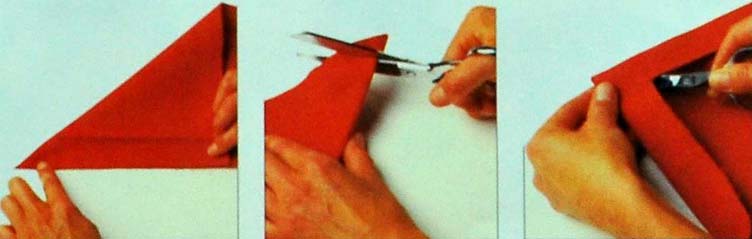
CUTTING FABRIC FROM SINGLE HEMS

CUTTING FABRIC FROM SINGLE HEMS

1. ASSEMBLING EDGES – We follow p. 1 i 2 instruction on joining individual heirs. Then fold back the corner previously folded diagonally and fold the whole piece of fabric along it, prawa stroną materiału …

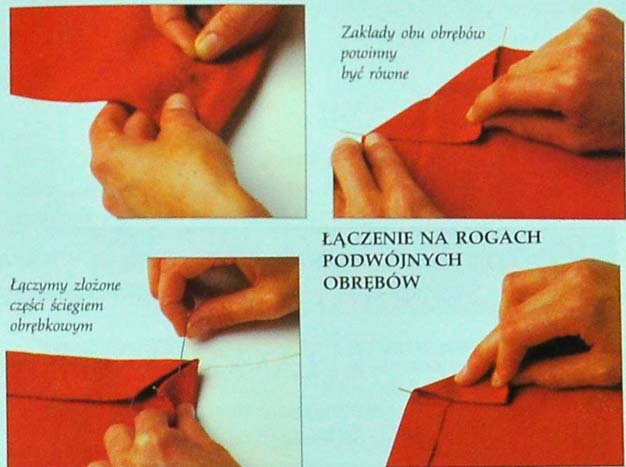
JOINING AT THE CORNERS OF DOUBLE-FOUNDED HEATINGS

JOINING AT THE CORNERS OF DOUBLE-FOUNDED HEATINGS

1. ASSEMBLING EDGES – Place the fabric right side up. We put on the edges, to be lined, 1 cm to the left and press it. We put it on again to the desired width and press it again.

2. HORN FOLDING …

Miter jointing of the girders at the corners

Miter jointing of the girders at the corners

Correct joining of the hems at the corners, regardless of the thickness of the material, it is necessary for the careful finishing of the product. This operation must be performed before all the edges are lined. This is especially important when sewing curtains. Nie jest to …

DOUBLE HEADING CIRCUIT COVERED WITH A SLIGHTLY VISIBLE SEAM

DOUBLE HEADING CIRCUIT COVERED WITH A SLIGHTLY VISIBLE SEAM

1. ROUND SETTING – This technique is best suited for securing the edges of thin to medium weight fabrics. Put an unbound edge on 1-2 cm and press. Zakładamy zaprasowany brzeg jeszcze raz do żądanej …

DOUBLE HEAD LINING WITH HIDDEN STITCH

DOUBLE HEAD LINING WITH HIDDEN STITCH

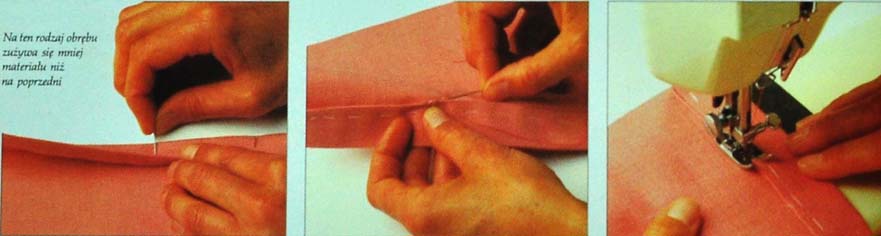
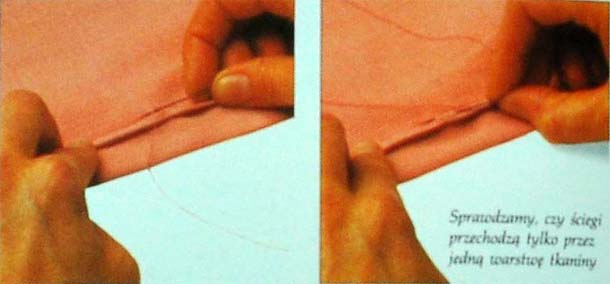
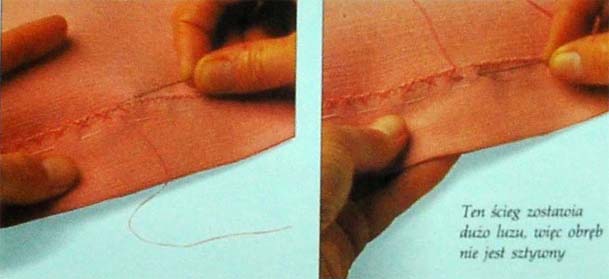
1. PRELIMINARY STEPS – we use this type of precinct for thin materials. We assume the hem to the desired width, we press and put on the same amount again. We pin with pins and baste the hem at some distance from its upper part. …

Hoops and horns

Hoops and horns

Home-made tailoring and upholstery products look neat, if they have carefully made hoops (called lie bets) and finished corners. This is as important as choosing the right material or type of seams. Rodzaj obrębu zależy od grubości materiału i …